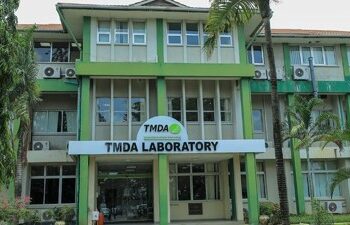














DAR ES SALAAM: Tanzania is stepping up efforts to expand domestic pharmaceutical manufacturing, as industrial policy reforms and rising healthcare demand position the sector among the country’s most promising long‑term investment frontiers.


Long reliant on imported medicines and medical supplies, Tanzania is increasingly prioritising local pharmaceutical production as part of a broader strategy to strengthen healthcare resilience, reduce foreign exchange pressure, and deepen industrial self‑sufficiency.
The shift is creating new opportunities for private capital across manufacturing, packaging, distribution, and healthcare supply‑chain infrastructure. As East African economies work to reduce dependence on external pharmaceutical supply chains, Tanzania is positioning itself to capture a larger share of regional healthcare manufacturing.
Import Reliance Opens Industrial Opportunity
Like many countries across East Africa, Tanzania continues to depend heavily on imported pharmaceutical products to meet domestic healthcare demand. Essential medicines, specialised treatments, diagnostic supplies, and medical consumables are still largely sourced from international markets.
This reliance exposes the healthcare system to supply disruptions, currency volatility, and fluctuating import costs. Analysts say the import gap presents one of Tanzania’s clearest industrial opportunities, offering predictable long‑term demand supported by structural healthcare needs.
Industrial Policy Shifts Toward Health Security
Tanzania’s industrialisation agenda is increasingly placing pharmaceuticals among its strategic manufacturing priorities. Recent policy direction has focused on strengthening industrial parks, improving manufacturing regulation, and expanding incentives designed to encourage domestic production of essential medicines and medical inputs.
Authorities view local pharmaceutical manufacturing as central to improving national healthcare security while reducing import costs and supporting broader industrial competitiveness. The strategy also aligns with Tanzania’s wider push to build more resilient supply chains across critical sectors.
Regional Market Strengthens the Business Case
Beyond its domestic market, Tanzania offers investors access to a wider regional healthcare demand base across East and Central Africa. Its transport connectivity and Indian Ocean access provide strategic distribution advantages for supplying fast‑growing neighbouring markets including Uganda, Rwanda, Burundi, the Democratic Republic of the Congo, and Zambia.
These markets represent significant long‑term demand for affordable regionally manufactured pharmaceutical products, strengthening Tanzania’s appeal as a production and distribution base.
A Growth‑Stage Alternative to Regional Leaders
Within East Africa, Kenya maintains a more established pharmaceutical manufacturing ecosystem, supported by deeper industrial maturity and stronger export penetration.
Tanzania, however, offers a different investment proposition. Lower operating costs, expanding industrial policy support, and substantial room for first‑mover positioning give the country a compelling growth‑stage advantage for investors seeking scalable entry opportunities. Rather than competing directly on maturity, Tanzania is competing on future upside.
Healthcare Demand Provides Structural Momentum
Tanzania’s rising population, urbanisation, and expanding healthcare access are steadily increasing pharmaceutical consumption. Demand is growing across essential medicines, chronic disease treatment, maternal and child healthcare products, diagnostics, and hospital supplies.
Unlike many cyclical industries, pharmaceutical demand is underpinned by long‑term demographic and public health fundamentals, offering investors stronger defensive characteristics and consumption visibility.
Growth Prospects
Tanzania’s pharmaceutical ambitions are moving beyond policy intent and into commercial relevance. The combination of rising healthcare demand, industrial reform momentum, and regional distribution potential is steadily transforming the sector into a credible manufacturing opportunity.
For long‑term industrial capital, the message is clear: Tanzania’s pharmaceutical manufacturing drive is positioning the country as one of East Africa’s most compelling next‑generation healthcare investment plays.