










DAR ES SALAAM – The Tanzania Agricultural Development Bank (TADB) has introduced its Green Agri-Finance Strategy 2025–2027. The strategy aims to promote sustainable agriculture, climate-resilient communities, and national priorities outlined in Vision 2050, the Nationally Determined Contributions (NDCs), the National Climate Change Response Plans, as well as international Sustainable Development Goals (SDGs).


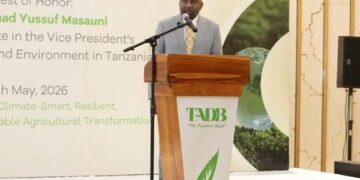
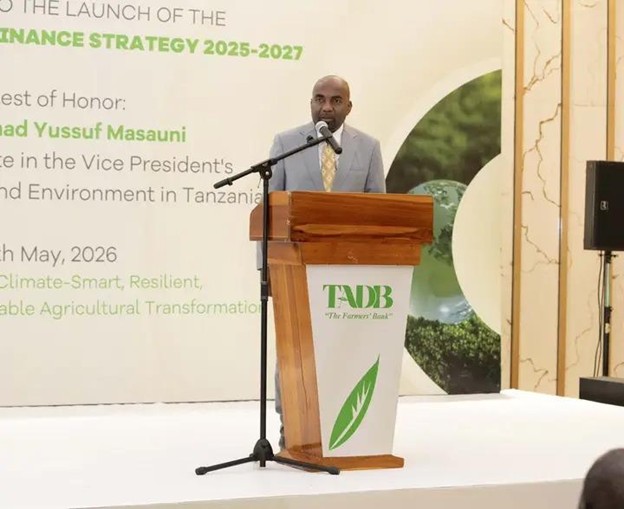
The event was officiated by Hon. Eng. Hamad Yussuf Masauni, Minister of State in the Vice President’s Office for Union and Environment. During the launch, Minister Masauni highlighted the need for stronger collaboration among the Government, financial institutions, development partners, research institutions, civil society organizations, and the private sector to close the climate finance gap and drive faster investment in sustainable agricultural initiatives. “Building a climate-resilient agriculture sector requires strong collaboration, innovation, and sustainable financing solutions. This strategy demonstrates how institutions like TADB can support Tanzania’s long-term development agenda while contributing to environmental protection and inclusive economic growth”.
The TADB is a development finance institution intended to revolutionize the agricultural sector in Tanzania. Its primary goal is to provide short, medium, and long-term loans to catalyze agricultural transformation. As the apex agricultural development bank, TADB’s objective is to catalyze the availability of credit in the agricultural sector by encouraging other financial institutions to increase lending to farmers while enabling investments in production infrastructure, processing, and transportation.
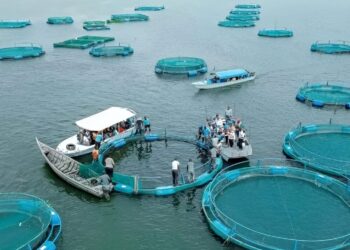
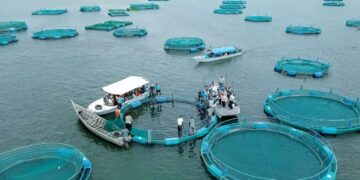
This new 2025–2027 strategy will guide the Bank in financing specific projects including renewable energy, climate-smart farming technologies, water conservation, and sustainable livestock and fisheries.
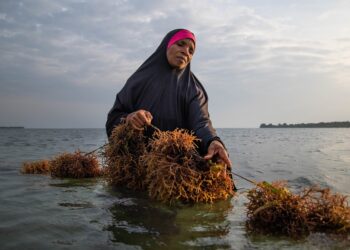
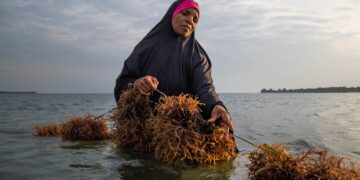
TADB Managing Director Mr. Frank Nyabundege explained that the strategy reflects the Bank’s commitment to transforming climate-related challenges into sustainable financing opportunities. Furthermore, board member Prudence Masako noted that the initiative will particularly benefit small-scale farmers and women who have continued to be at high risk from the effects of climate change.
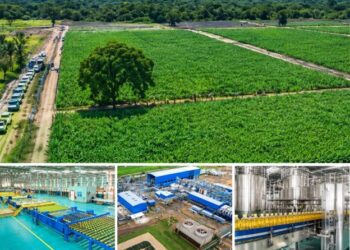
There is a significant opportunity for the private sector and investors to participate. By investing in the agricultural value chain specifically in areas like irrigation, modern storage facilities, and green processing technologies investors can play a vital role in bridging the climate finance gap. Such investments not only support the government’s policy of uplifting the agricultural sector but also contribute to long-term food security and inclusive economic growth for the nation.