









DAR ES SALAAM. Tanzania is accelerating its infrastructure and logistics agenda, with the Dar es Salaam Port expansion and Standard Gauge Railway (SGR) freight integration now reshaping the country’s role as East Africa’s primary trade corridor.


Officials say the upgrades are designed to reduce transport costs, improve efficiency, and connect landlocked economies to global markets, reinforcing Tanzania’s ambition to become the region’s logistics backbone.
Port Expansion Boosts Capacity
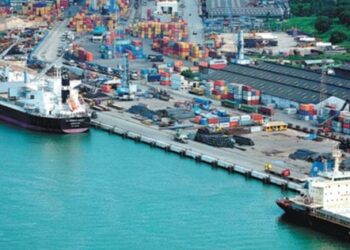
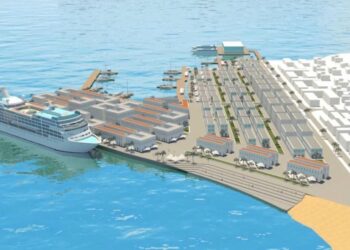
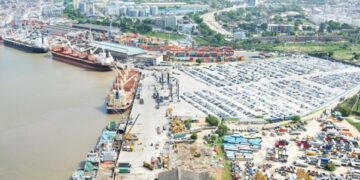
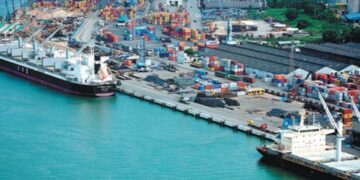
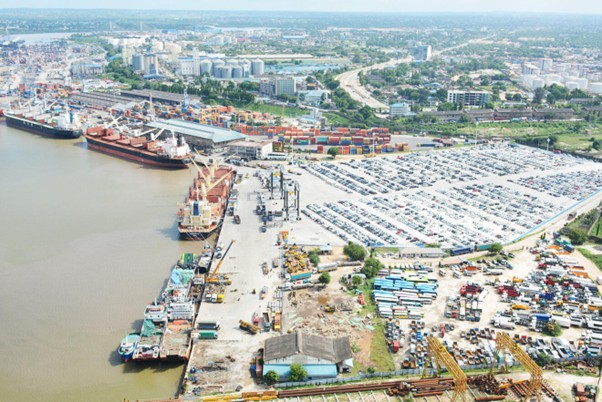
The Dar es Salaam Maritime Gateway Project (DMGP) has expanded port handling capacity from 32 million tonnes to 50 million tonnes annually, supported by new berths, dredging, and modern cargo systems.
According to the Tanzania Ports Authority (TPA), customs collections at the port reached TZS 8.25 trillion between July 2024 and February 2025, up from TZS 7.08 trillion the previous year, a clear signal of rising throughput and efficiency.
“Dar es Salaam Port is now positioned to handle larger vessels and faster cargo turnaround, which directly strengthens Tanzania’s competitiveness as a regional trade hub,” said Plasduce Mbossa, Director General of TPA.
SGR Freight Integration
The Standard Gauge Railway has begun freight operations from the Malindi cargo hub at Dar es Salaam Port to Ihumwa in Dodoma, cutting transport time from 12 hours by road to just 4 hours by rail.
The full SGR network, spanning 1,596 km, will eventually connect Dar es Salaam to Mwanza and onward to Rwanda, Burundi, Uganda, DRC, Zambia, and Malawi.
In May 2026, Tanzania secured USD 2.33 billion syndicated financing for SGR Lots 3-5, underscoring investor confidence in the project’s long‑term viability.
“The SGR is not just a railway, it is an industrial enabler that will reduce logistics costs by up to 40 percent and unlock new opportunities for regional exporters,” said Prof. Makame Mbarawa, Minister for Works and Transport.
Regional Impact and Investor Signal
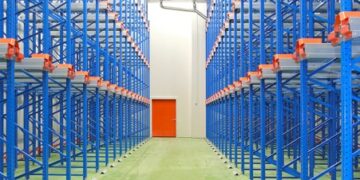
East Africa’s rapid urbanisation is driving demand for efficient logistics systems. Tanzania’s integrated port‑rail upgrades are catalysing growth in warehousing, inland dry ports, container depots, and industrial parks, attracting private capital into logistics ecosystems.
Analysts say the combination of port expansion and modern rail freight positions Tanzania as the Central Corridor’s backbone, serving a combined market of nearly 300 million people with an estimated GDP of USD 244 billion.
For investors, the signal is unmistakable: Tanzania is no longer just building transport projects, it is engineering a full industrial platform. With the Dar es Salaam Port expansion boosting throughput to 50 million tonnes annually, the Standard Gauge Railway cutting freight times by two‑thirds, and modern logistics systems linking six landlocked economies to global markets, Tanzania is positioning itself as East Africa’s most reliable trade gateway. This integration of infrastructure, industrial policy, and regional connectivity offers investors not only access to a fast‑growing domestic market but also a scalable platform into a regional economy of nearly 300 million people. The opportunity is to invest not in isolated assets, but in the backbone of East Africa’s next industrial growth story.