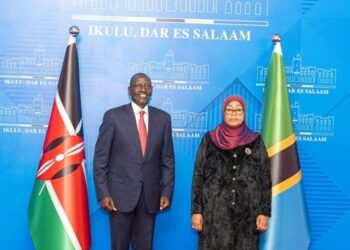











A landmark $1.4 billion agreement was signed on November 21, 2025, to revitalize the Tanzania-Zambia Railway Authority (TAZARA), marking a significant step toward enhancing regional trade and solidifying China-Africa cooperation . The signing ceremony in Lusaka, Zambia, was attended by Chinese Premier Li Qiang, Zambian President Hakainde Hichilema, and Tanzanian Vice-President Emmanuel Nchimbi, underscoring the project’s strategic importance to all three nations .


This modernization project is set to transform the 1,860-kilometer railway, a symbol of China-Africa friendship built in the 1970s, into a modern economic corridor . The revamp will involve comprehensive upgrades, including station rehabilitation, and the construction of tracks, tunnels, and bridges . The primary goal is to dramatically increase the line’s freight capacity from the current 100,000 tons to 2.4 million tons annually, which will fundamentally boost the region’s import and export capabilities .
Strategic and Economic Implications
The investment is more than an infrastructure upgrade; it’s a potential game-changer for regional commerce and logistics.
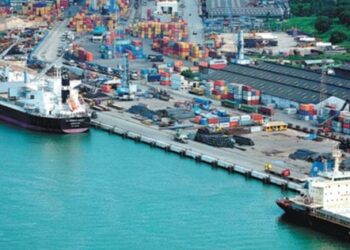
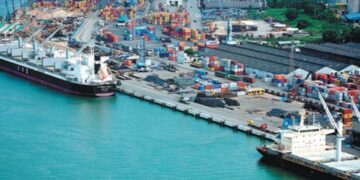
- Unlocking Economic Potential: The railway is a critical artery for Zambia, Africa’s second-largest copper producer, providing a direct link to the Port of Dar es Salaam . By drastically increasing freight volumes and improving reliability, the project aims to lower logistics costs, facilitate increased trade, and attract further investment, ultimately creating jobs and positioning the region as a key logistics hub .
- Deepening Regional Integration: The project goes beyond bilateral ties. As Vice-President Nchimbi stated, it will “strengthen trade corridors and boost imports and exports to further integrate the region’s economies” . This enhanced connectivity is expected to benefit not just Tanzania and Zambia but also neighboring landlocked countries, strengthening the entire East African community .
- A Symbol of Modern Partnership: Chinese Premier Li Qiang characterized the project as ushering in “a new era of development and prosperity for Tanzania, Zambia, and China” . This modernization positions a historic symbol of cooperation into a modern engine for shared economic growth, with China anchoring its infrastructure strategy in Africa around this vital corridor .
The revitalization of the TAZARA railway is a testament to the power of international partnership in driving development. For Tanzania, this project promises to enhance its role as a central gateway for regional trade, powering business growth and economic prosperity for years to come.
I hope this article meets your needs. Would you like to explore any of these aspects, such as the specific technological upgrades or the historical context of TAZARA, in more detail for a follow-up piece?