












Tanzania has unveiled a package of tax reforms in its 2026/27 national budget, designed to ease cash flow pressures for businesses and strengthen the country’s competitiveness as an investment destination.


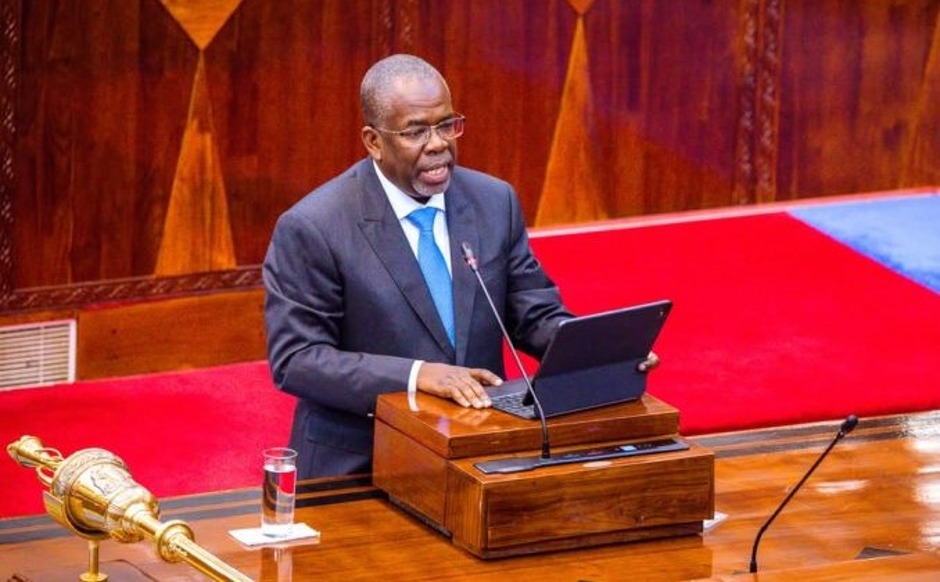
The measures, contained in the Finance Bill, 2026, were tabled in Parliament on 11 June 2026 by Minister for Finance Hon. Ambassador Khamis Mussa Omar. They respond to long‑standing concerns from the private sector about VAT administration, agricultural taxation, and the burden on small enterprises.
Faster VAT Refunds
One of the headline changes is a statutory requirement for VAT refunds to be processed within 30 days, with interest payable if delays occur.
For exporters and manufacturers, VAT refunds often represent working capital tied up for months. The new timeline is expected to improve liquidity, reduce financing costs, and support expansion. Analysts note that efficient VAT refund systems are a key signal of a country’s business environment, especially for investors in export‑oriented industries.
Relief for Agriculture and SMEs
The Finance Bill also removes the proposed 1 per cent withholding tax on agricultural produce, a move welcomed by farmers, traders, and processors. By reducing transaction costs across value chains, more capital can remain within the sector to support growth.
Small businesses also stand to benefit. Parliament approved a reduction in the presumptive income tax rate to 4 per cent, alongside raising the turnover threshold to TZS 200 million. Thousands of SMEs, the backbone of Tanzania’s domestic supply chains, are expected to see lighter tax burdens and improved cash flow.
Why Investors Are Watching
For investors, the reforms go beyond headline tax rates. Predictable VAT refunds improve liquidity, while stronger SMEs enhance the reliability of local suppliers in manufacturing, construction, agribusiness, and logistics. Industry observers note that these measures could make the country more competitive against regional peers, where efficient tax administration is often a deciding factor for investment.
The changes also come as Tanzania continues implementing policies to attract private capital, expand industrial production, and increase exports. For foreign investors, efficient tax administration is often as important as tax rates themselves. Together, predictable VAT refunds, SME relief, and agricultural tax cuts are expected to contribute to a more competitive business environment as the country positions itself to draw greater domestic and international investment.
Looking Ahead
The reforms complement broader government efforts to promote industrialisation, expand exports, and strengthen the investment framework. Implementation will be closely watched, but the direction is clear: the government is working to reduce administrative bottlenecks and create a more supportive environment for private‑sector growth.