









DAR ES SALAAM. Tanzania is drawing fresh investor attention as regional leaders discuss a proposed oil refinery in Tanga, a project that could reshape fuel processing and distribution across East Africa.


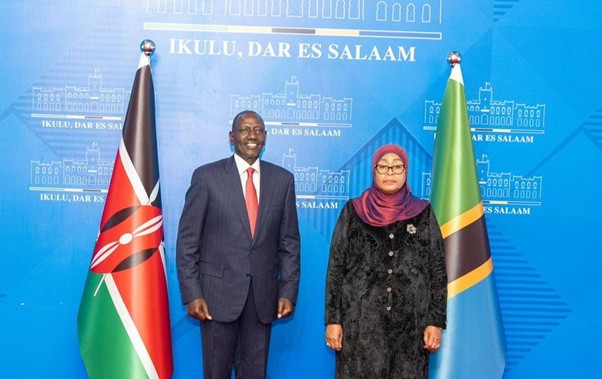
The proposal gained traction during the recent Tanzania-Kenya Business Forum, where Kenyan President Hon. William Ruto clarified that the refinery concept is part of a regional strategy involving multiple East African countries, not just a bilateral initiative.
“This is about building shared capacity for East Africa, not just Tanzania and Kenya,” President Ruto said. “A refinery in Tanga would strengthen our region’s ability to process crude and reduce dependence on imported fuel.”
From Export Corridor to Processing Hub
For years, Tanzania’s energy strategy has centred on transport and export capacity, most notably through the East African Crude Oil Pipeline (EACOP) and expanding port infrastructure.
A refinery in Tanga would deepen this strategy by allowing Tanzania to capture more value within the energy chain. Instead of serving solely as a crude transit route, the country would become a downstream processing platform, refining petroleum products for regional markets.
Analysts say this would mark a structural shift from logistics facilitation to industrial value addition.
Why Tanga Matters
Tanga is increasingly recognised as one of East Africa’s most strategic energy locations thanks to:
- Direct Indian Ocean access
- Existing pipeline connectivity
- Proximity to inland crude‑producing markets
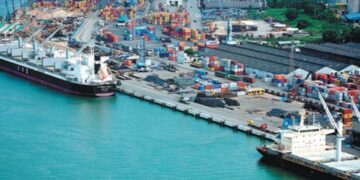
- Expanding port infrastructure
The city already anchors crude export flows. Adding refining capacity would create a vertically integrated energy corridor linking production, transportation, processing, and distribution.
“Tanga has the infrastructure and location to become the region’s processing hub,” said a Tanzanian energy official. “This is where logistics meet industrialisation.”
Regional Industrial Integration
The refinery concept reflects East Africa’s ambition to reduce dependence on imported refined petroleum products while strengthening regional energy security.
Industry observers note that the region currently exports crude but imports refined fuel at higher costs, limiting value capture. A regional refinery would help reverse that dynamic, lowering fuel costs and improving supply reliability.
Investor Opportunities
Although no final investment decision has been announced, discussions are already drawing attention from investors assessing downstream opportunities, including:
- Refinery engineering and construction
- Fuel storage and terminal infrastructure
- Marine logistics
- Pipeline support services
- Petrochemical processing
- Industrial utilities and maintenance services
Reports that industrial heavyweight Aliko Dangote has shown interest in supporting refinery discussions have further raised market attention, given his track record in large‑scale refining projects.
Policy Clarity Seen as Key
Tanzania’s cautious response underscores the importance of formal consultation and intergovernmental coordination before any project advances.
Analysts say this is a positive signal for investors, as large‑scale infrastructure requires regulatory certainty, sovereign alignment, and clearly defined investment structures to attract long‑term institutional capital.
Broader Energy Ambitions
The refinery proposal comes as Tanzania advances other major energy initiatives, including its $42 billion LNG project and cross‑border pipeline expansion. Together, these projects suggest Tanzania is positioning itself not only as a transit route but as a fully integrated regional energy platform.
Growth Prospects
While still at an early stage, the Tanga refinery proposal signals where East Africa’s energy strategy is heading: beyond extraction, toward processing, industrialisation, and greater domestic value capture.
For investors, the message is clear: If realised, a Tanga refinery would mark Tanzania’s transition from corridor to regional processing powerhouse, opening one of East Africa’s most significant long‑term industrial investment opportunities.