










DAR ES SALAAM. Tanzania is strengthening its position as a regional energy platform, as progress on its long‑awaited $42 billion liquefied natural gas (LNG) project and cross‑border pipeline infrastructure signals a broader shift toward East Africa’s energy integration and long‑term revenue generation.


Speaking at the 11th Annual Oil & Gas Convention in Kampala, Uganda, Tanzania Petroleum Development Corporation (TPDC) Board Chairman Ambassador Ombeni Sefue said the country’s energy strategy anchored in consistency, discipline, and long‑term planning, is evolving beyond national development into a platform for regional transformation.
“Tanzania’s energy strategy is becoming part of a broader regional growth framework,” Sefue said, citing strategic pipeline investments and LNG ambitions as central to East Africa’s future energy architecture.
LNG Project Nears Final Investment Phase
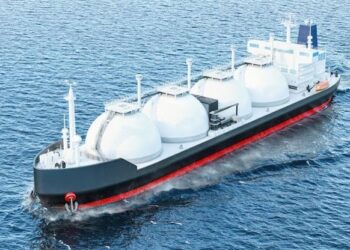
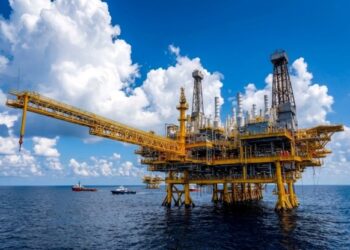
At the centre of Tanzania’s energy ambitions is the proposed $42 billion LNG development, designed to monetise more than 57 trillion cubic feet of offshore natural gas reserves.
The project, one of Africa’s largest planned energy investments, is moving closer to a final investment decision (FID), a key milestone that would unlock full-scale execution.
Once operational, it is expected to position Tanzania among Africa’s leading LNG exporters, generating substantial foreign exchange earnings and supporting industrial expansion.
For investors, the project represents:
- Large‑scale, long‑term capital deployment
- Multi‑decade export revenue potential
- Expanded downstream industrial opportunities
Regional Pipelines Reinforce Integration
TPDC says implementation of the planned natural gas pipeline to Uganda and the White Products Pipeline is advancing, reinforcing Tanzania’s role as a critical energy transit corridor.
According to Ambassador Sefue, these investments are expected to:
- Enhance regional energy access
- Improve supply reliability
- Reduce operational costs across East Africa
- Strengthen industrial competitiveness
“These projects demonstrate how infrastructure cooperation can translate into wider economic opportunity,” he said.
EACOP as a Regional Model
The progress builds on the East African Crude Oil Pipeline (EACOP), now nearing operational readiness.
Ambassador Sefue described EACOP as:
“A corridor of cooperation that demonstrates how trust creates opportunity, resilience and shared prosperity.”
For investors, EACOP offers proof that East Africa can execute complex, cross‑border energy infrastructure at scale. That confidence is increasingly shaping sentiment around Tanzania’s LNG project and related ventures.
Investor Signal: Tanzania as Energy Platform
The significance of Tanzania’s energy expansion extends beyond national revenue generation. Analysts say the country is positioning itself as:
- A regional energy logistics hub
- A gateway for cross‑border fuel and gas trade
- A platform for industrial energy supply
This shift opens investment opportunities across:
- Gas processing and storage
- Pipeline services
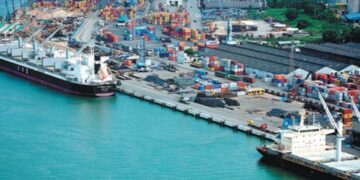
- Logistics and marine infrastructure
- Engineering and industrial support
Competition and Strategic Positioning
Tanzania’s energy ambitions are unfolding alongside major developments in Mozambique and Namibia, both advancing large‑scale gas projects.
But Tanzania offers distinct competitive advantages:
- Established transport connectivity
- Strategic Indian Ocean access
- Political stability
- Existing regional trade corridors
These factors strengthen its case as East Africa’s most integrated long‑term energy platform.
Growth Prospects
Ambassador Sefue said the challenge for African energy‑producing nations is no longer resource availability, but the ability to convert potential into broad‑based economic impact.
He stressed that successful energy integration must transform:
- Resources into industries
- Investment into jobs
- Infrastructure into long‑term economic platforms
For investors, the message is clear: Tanzania’s LNG push is no longer simply a national energy project, it is becoming a regional investment gateway capable of reshaping East Africa’s economic landscape for decades to come.