







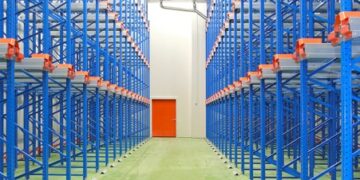



DAR ES SALAAM. Tanzania’s agribusiness economy is entering a new phase where cold storage is no longer a luxury but an essential investment. From horticulture and fisheries to meat and dairy, the country’s expanding production base is creating urgent demand for reliable cold-chain infrastructure that can reduce post-harvest losses and unlock higher-value markets.


The World Bank has repeatedly identified inadequate post-harvest cooling and storage as a major constraint in Tanzania’s agricultural value chains, particularly for horticultural products. Without temperature-controlled facilities, farmers and food businesses are often forced to sell quickly after harvest, losing value when supply is high, and prices are low.
Why Cold Storage Matters for Investors
For investors, the opportunity lies in solving a commercial problem: extending the shelf life of perishable goods and enabling producers to time their sales strategically.
Revenue streams can include:
- Cold-room storage fees
- Freezing and blast-freezing services
- Handling and packaging
- Refrigerated transport
- Distribution and fulfilment
- Long-term contracts with food companies
Prime Locations for Cold-Chain Hubs
The strongest opportunities for cold-chain hubs in Tanzania are found in regions where production meets demand. In Dar es Salaam, the country’s largest consumer market, cold storage would serve ports, supermarkets, hotels, and restaurants. In Arusha, facilities could support tourism, horticulture, and export-oriented agriculture. Mbeya offers potential through its agricultural base and regional trade links, while Mwanza presents opportunities tied to fisheries and Lake Zone food distribution. Morogoro combines agricultural production with proximity to Dar es Salaam, and Kilimanjaro is strategically positioned for horticulture and export supply chains. Finally, Zanzibar provides a strong case through its seafood industry and tourism market.
From Storage to Integrated Cold-Chain Logistics
A modern facility in any of these regions could evolve beyond simple storage into a full cold-chain logistics company. Such a hub would combine 500 to 2,000 tones of refrigerated and frozen capacity with multiple temperature zones, sorting and packing areas, and backup power systems supplemented by solar integration. It would operate refrigerated trucks, deploy digital monitoring and warehouse-management software, and provide end-to-end services. In practice, this infrastructure would support the entire chain, from farm and collection center to cold storage,
processing, transport and ultimately the market, transforming Tanzania’s perishable goods sector into a more resilient and profitable industry.
Investor Outlook
Cold storage is emerging as one of Tanzania’s most investable agribusiness opportunities. It is not just about refrigeration; it is about enabling farmers, processors and exporters to capture more value, reduce losses, and meet the quality standards of international markets.
For investors, the signal is clear: Tanzania’s growing agricultural and food-processing economy needs integrated cold-chain infrastructure. Well-positioned, energy-efficient facilities backed by long-term customer contracts could become profitable hubs at the heart of East Africa’s food supply system.