













Tanzania’s proposal to establish a $50 million venture capital fund has drawn attention not only for its size but also for what it could mean for start-up financing in one of East Africa’s fastest-growing entrepreneurial markets.


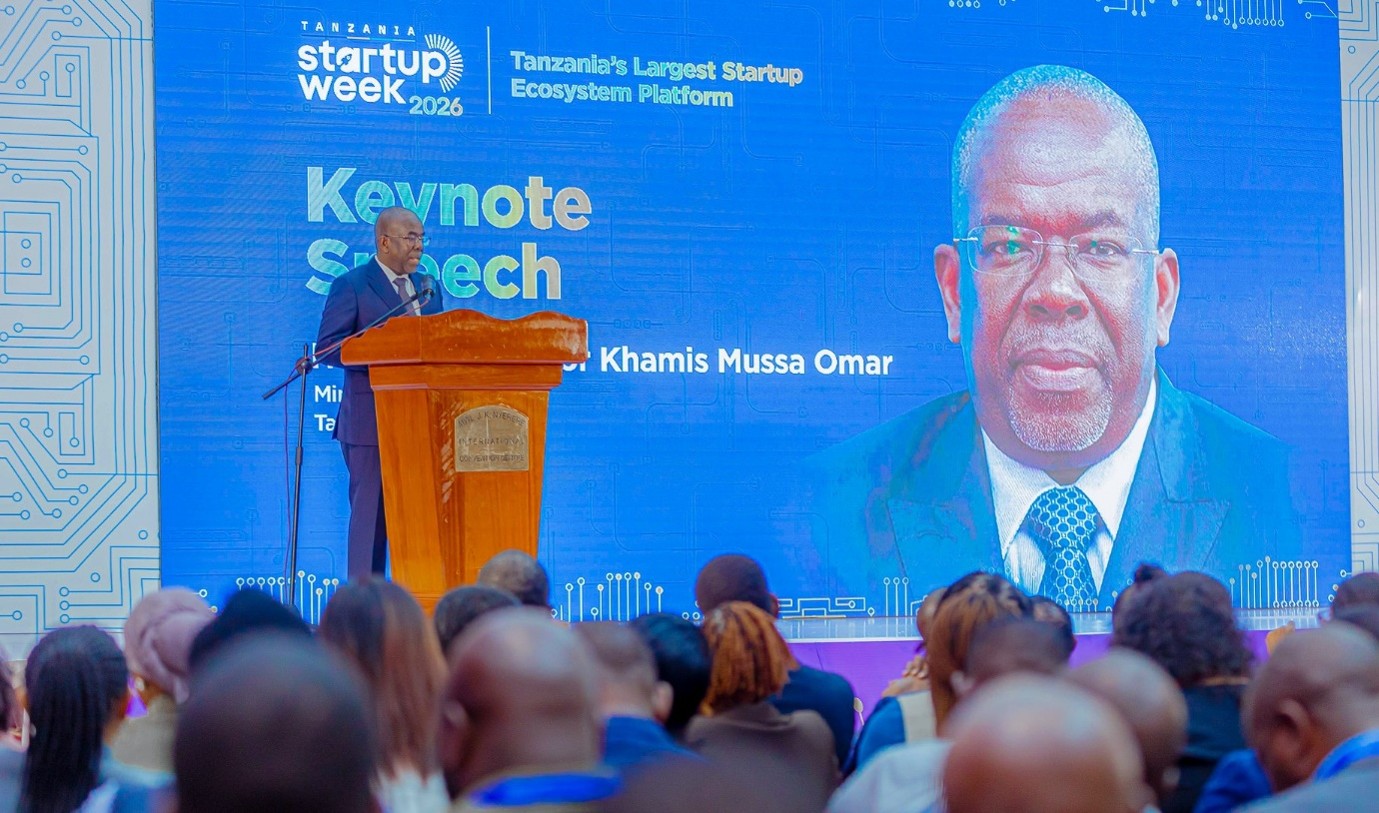
The proposal, presented by the Tanzania Start-up Association (TSA) during Tanzania Start-up Week 2026 in Dar es Salaam on October 20, aims to create a fund-of-funds structure that would support local and regional venture-capital managers investing in start-ups and small businesses.
However, the key question for investors is whether the proposed facility can convert funding targets into committed capital and a functioning investment platform.
A Fund Designed to Attract More Capital
Under the proposal, the Tanzania Venture Capital Fund would begin with an initial target of $50 million and seek to catalyse a further $180 million through co-investment and related financing structures.
Importantly, the two figures represent different objectives. The $50 million refers to the proposed anchor fund itself, while the additional $180 million represents a target for future capital mobilisation through participating funds and co-investors.
Based on publicly available information, neither amount should be treated as secured financing or documented investor commitments.
The proposed structure would invest through professional fund managers rather than directly into start-ups, allowing capital to be deployed across multiple specialised venture funds.
Where the Opportunity Lies
If implemented, the facility could address one of the most persistent gaps in Tanzania’s financial system.
Many start-ups have progressed beyond friends-and-family financing and angel investment but remain too small or too risky to qualify for conventional bank lending.
The proposed investment range of $50,000 to $1 million targets this segment of the market, potentially providing growth capital to businesses seeking to expand operations, commercialise products and enter new markets.
For institutional investors, the fund-of-funds model could also provide diversified exposure across multiple sectors and fund managers rather than concentrating risk in individual companies.
Execution Will Determine Success
The proposal outlines a financing structure in which government funding would account for approximately 15% of the fund’s capital, with the remainder expected from pension funds, development-finance institutions and other institutional investors.
However, several critical details remain unclear. Public reporting has not yet identified committed investors, selected fund managers, governance arrangements or the venture funds that would ultimately receive capital.
Nor have authorities published a final framework covering applications, investment criteria, sector priorities or timelines for deployment.
Investor Outlook
The proposed fund has the potential to strengthen Tanzania’s start-up-financing ecosystem and create a new source of growth capital for emerging businesses.
However, its credibility will depend on three factors: committed capital, professional fund management and transparent investment processes.
For now, investors should view the $50 million fund and the targeted $180 million in additional mobilisation as proposals rather than secured financing. The next milestones to watch are investor commitments, governance disclosures and the appointment of fund managers capable of turning the concept into an investable platform.