









Tanzania’s growing waste volumes are creating new opportunities for investors in recycling, waste processing and circular manufacturing as authorities search for alternatives to conventional dumping.


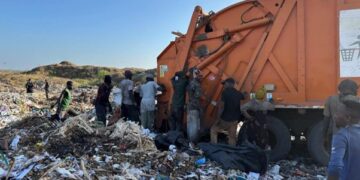
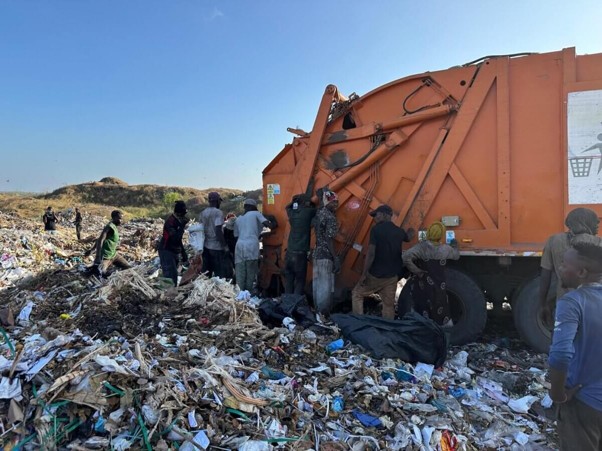
The latest opportunity emerged in September 2026 when Dar es Salaam Regional Commissioner Hon. Albert Chalamila called for private-sector participation in waste-processing projects at the Pugu dumpsite.
Following an inspection of the site on September 13, Chalamila said authorities would begin identifying investors capable of converting municipal waste into products such as fertiliser and gas.
The initiative highlights a broader opportunity to turn Tanzania’s waste-management challenge into a source of industrial production, energy generation and recycled raw materials.
From Waste Disposal to Value Addition
As cities expand and consumption increases, waste volumes are rising across Tanzania. For investors, this creates opportunities throughout the waste value chain, from collection and sorting to recycling, processing and manufacturing.
Plastic recycling is among the most accessible opportunities. Recovered plastics can be transformed into paving blocks, roofing materials, packaging products and other construction inputs.
Paper, metal and glass recovery offer opportunities to supply manufacturers with secondary raw materials while reducing dependence on imported inputs.
Organic waste presents another market. Food waste and other biodegradable materials can be converted into compost, organic fertiliser, briquettes and biogas for agricultural and energy applications.
E-Waste and Specialised Recycling
Electronic waste is emerging as a specialised investment segment. Discarded computers, phones and electronic devices contain components and materials that can be refurbished, reused or recycled for commercial purposes.
Tanzania’s E-Waste Tanzania Project has demonstrated a model that combines collection, refurbishment, recycling and job creation, highlighting the potential for formal e-waste management businesses.
Financing and Public-Private Partnerships
The opportunity extends beyond recycling plants alone. Potential investors include waste-logistics operators, equipment suppliers, renewable-energy developers and manufacturers seeking reliable sources of recovered materials.
An investment-opportunity assessment published by the Tanzania Investment Centre identified opportunities in plastics recycling, paper recovery, electronic-waste processing, used-oil recycling and lead recovery from used batteries.
The assessment identified a potential market estimated at US$8.3 million across selected recycling streams and outlined projects ranging from around US$1 million to US$10 million in investment value.
The Small Industries Development Organisation (SIDO) also supports recycling enterprises through business-development services and partnerships involving local authorities, entrepreneurs, researchers and financial institutions.
Investor Outlook
Pugu could become an important test of Tanzania’s ability to attract private capital into commercially viable waste-processing ventures.
The wider opportunity is to develop businesses that earn revenue from both waste-management services and the sale of recycled materials, fertiliser, energy products and industrial inputs.
However, success will depend on reliable collection systems, consistent feedstock supplies, appropriate technology and dependable markets for recycled products.
For investors looking beyond traditional sectors, Tanzania’s waste stream may represent an increasingly valuable resource rather than a disposal problem.