











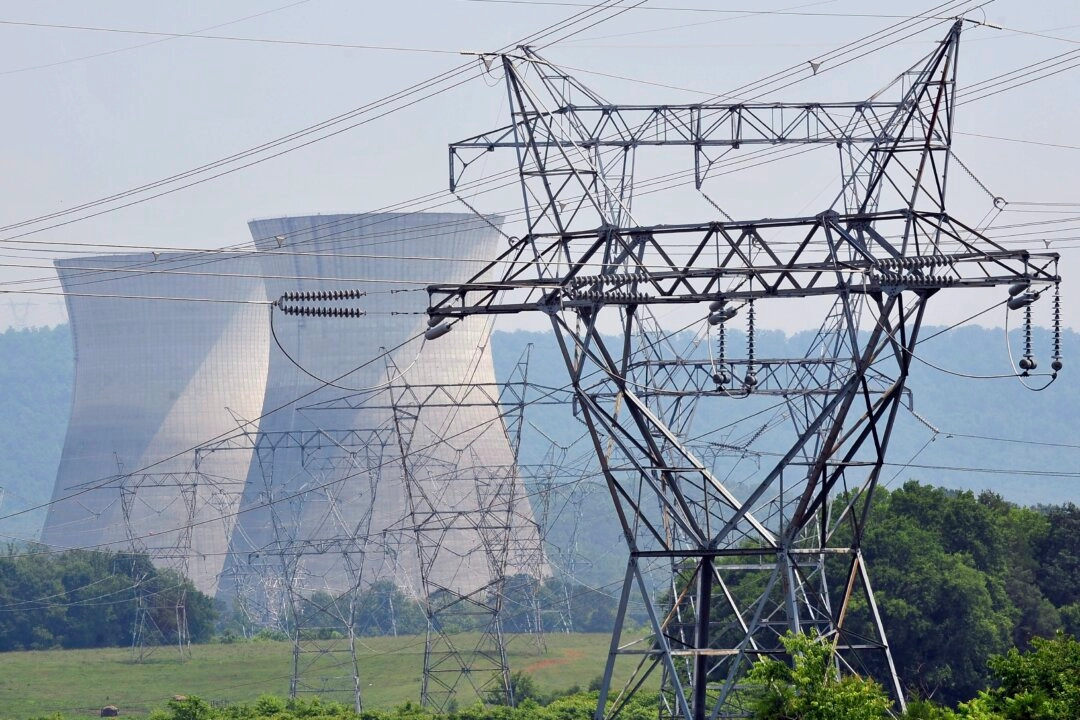
Tanzania’s plans to explore nuclear energy are creating potential opportunities for investors in engineering, technical training, safety systems and specialised infrastructure as the country prepares for the possibility of future nuclear power generation.


The latest momentum came on October 19, 2026, when The Citizen reported that Tanzania was holding discussions with Russia’s Rosatom on nuclear technology as part of efforts to diversify its energy mix and meet future industrial demand. On the same day, The Guardian examined the potential role of floating nuclear power in addressing growing electricity needs.
While the discussions have attracted attention, Tanzania remains in the early stages of nuclear-power preparation. No final investment decision, construction timeline or approved reactor project has been publicly announced.
Opportunities before the First Reactor
For investors, the most immediate opportunities lie outside power generation itself. Nuclear energy programmes require years of preparation before construction can begin, creating demand for technical expertise, institutional capacity and specialised services.
The Tanzania Atomic Energy Commission (TAEC) is currently coordinating preparatory activities involving government agencies, research institutions and potential stakeholders. This stage could create opportunities in environmental assessment, radiation monitoring, quality assurance, cyber security, engineering consultancy and technical advisory services.
Universities and research institutions may also play an important role. If Tanzania’s plans advance, the country will require engineers, radiation-protection specialists, nuclear-safety professionals, technicians and plant operators. This creates potential opportunities for education providers, workforce-development programmes and specialised training partnerships.
Research and Infrastructure Requirements
Beyond workforce development, a future nuclear programme would require supporting infrastructure and technical capabilities.
Potential areas include laboratory services, scientific research, equipment maintenance, emergency-response systems, data management and specialist testing facilities.
These activities may offer earlier commercial opportunities than reactor construction itself because they form part of the institutional foundation required before major investment decisions can be taken.
Reactor Projects Remain a Longer-Term Prospect
The larger opportunity associated with nuclear power generation remains subject to significant regulatory, technical and financing requirements.
The International Atomic Energy Agency identifies multiple infrastructure issues that countries must address before introducing nuclear power, including legal and regulatory frameworks, safety systems, financing arrangements, waste management and human-resource development.
Although Tanzania has been advancing preparations through TAEC and TANESCO, key decisions on technology selection, project structure, financing and site development have yet to be publicly announced.
Investor Outlook
Tanzania’s nuclear ambitions should be viewed as a long-term infrastructure story rather than an imminent power-generation project.
In the near term, the clearest opportunities are likely to emerge in technical training, engineering services, research partnerships, regulatory support, and safety systems and specialised consulting.
For investors, the most bankable opportunities may therefore arise not from building reactors, but from helping Tanzania develop the skills, institutions and technical capacity required before a nuclear power plant can be approved, financed and constructed.