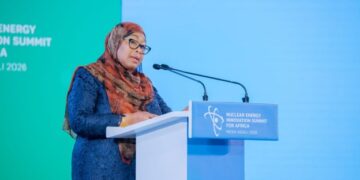











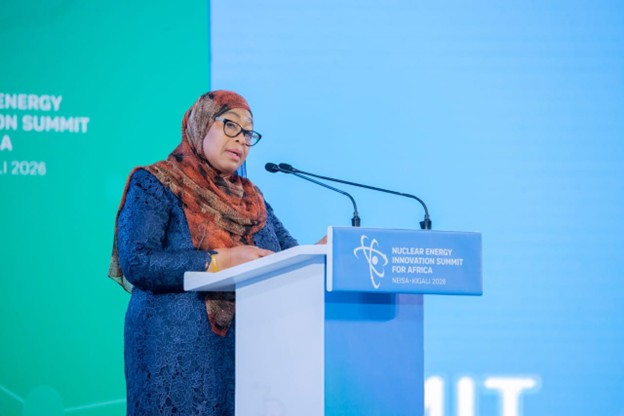
Kigali, Rwanda – Tanzania has reaffirmed its support for the development of nuclear energy in Africa as part of broader efforts to expand electricity generation and accelerate the transition to clean energy. The commitment was highlighted during the Nuclear Energy Innovation Summit for Africa (NEISA), which brought together African Heads of State, international organizations, investors, and energy experts in Kigali, Rwanda.


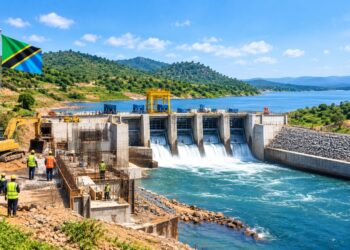
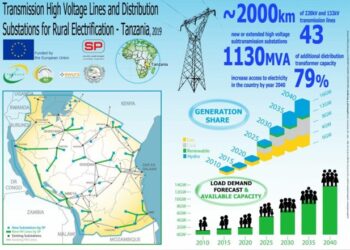
Speaking at the summit, Tanzania President Her Excellency Samia Suluhu Hassan emphasized the country’s significant progress in electricity production and its long-term vision to dramatically increase power generation capacity. Under Tanzania’s national development agenda, the country aims to produce 70,000 megawatts of electricity by 2050 to support industrial growth, economic transformation, and rising energy demand.
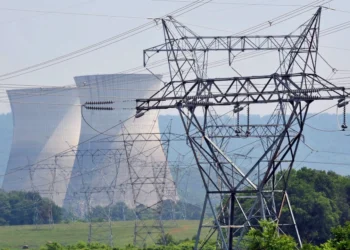
As part of this strategy, Tanzania sees nuclear energy as an important component in diversifying the energy mix and ensuring a stable supply of clean and reliable power. Nuclear energy is increasingly being discussed across Africa as countries seek sustainable alternatives that can support industrialization while reducing carbon emissions.
Achieving Africa’s nuclear energy ambitions will require stronger cooperation among governments, development partners, investors, and technology providers. Key priorities identified included improving access to financing, strengthening human resource capacity, and expanding technological support for countries interested in developing nuclear energy programs.
The President also highlighted the importance of public awareness and education on nuclear energy. She noted that citizens must be properly informed about nuclear energy projects to ensure public participation and support in the sector’s development.
The NEISA summit reflects growing momentum across the African continent to explore advanced energy solutions capable of addressing electricity shortages, supporting economic growth, and meeting climate goals. For Tanzania, participation in the summit signals its intention to remain actively involved in regional and international energy discussions as it works toward achieving its ambitious 2050 energy targets.